
Simulating to learn: virtual environments that democratize electronics
The educational revolution of learning electronics without physical hardware
In this entry we explore how the electronics simulation without physical hardware is transforming technology education. For years, learning electronics required a table full of wires, sensors and tools. While that experience remains valuable, it also poses economic and technical barriers for many students and schools.
Today, thanks to advances in virtual environments, With Arduino, it is possible to learn electronics and Arduino without having to buy components, without fear of breaking anything and with much greater accessibility.
Learning electronics without physical hardware
A virtual environment allows you to build circuits, manipulate components and program boards such as Arduino... without a single physical part. Everything happens within a digital space that replicates the real behavior of each component.
This opens the doors of learning to students everywhere, even those who do not have the resources for electronic equipment.
If you want to know more about Arduino from its official source, you can visit the web site of Arduino.
Why simulating is an educational revolution?
- Reduces costsBuying boards, sensors, breadboards, cables and motors can be a major expense, especially when a large group of students needs to practice. With a virtual environment, all that cost disappears: the entire lab is on the screen.
- Learning without fear of making mistakesIn electronics, a connection error can mean burning a component. In a simulator, making a mistake is part of the process: you can try, fail, restart and try again without consequences.
- Ideal for beginnersVirtual environments often include visual aids, step-by-step guides and immediate feedback. This reduces frustration and allows inexperienced students to gain confidence quickly.
- Encourages experimentation and creativityBecause there is no risk of breaking anything, students are more daring to try new ideas. This drives exploration, active learning and motivation.
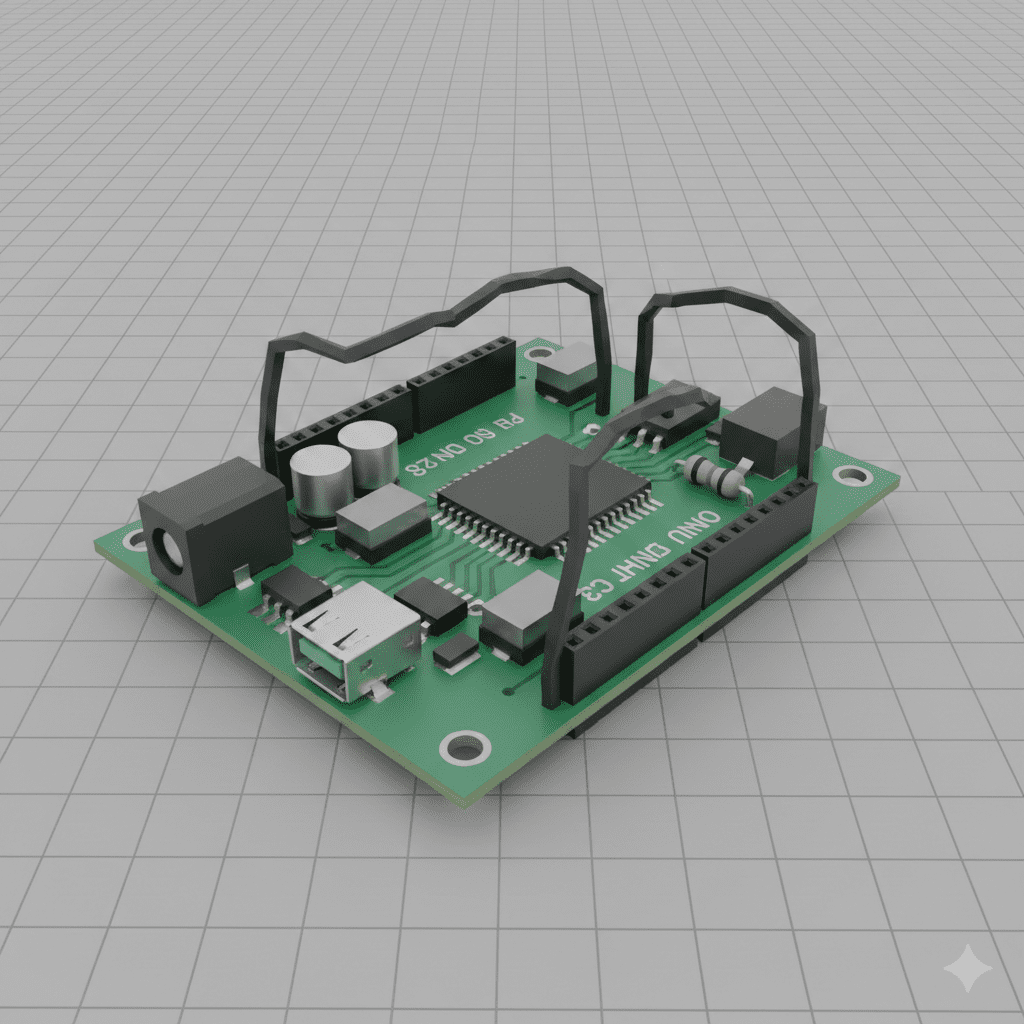
Simulations and Arduino. A perfect combination.
Arduino is one of the most popular platforms for learning electronics because it combines simple hardware with accessible programming. A simulator allows you to perform all the typical practices:
In this way, the student can understand the logic, test your code, and strengthen concepts. before touching a physical cable.
You can also read our related post: What is Arduino and why should everyone learn it?.
Where does FoxBit come in?
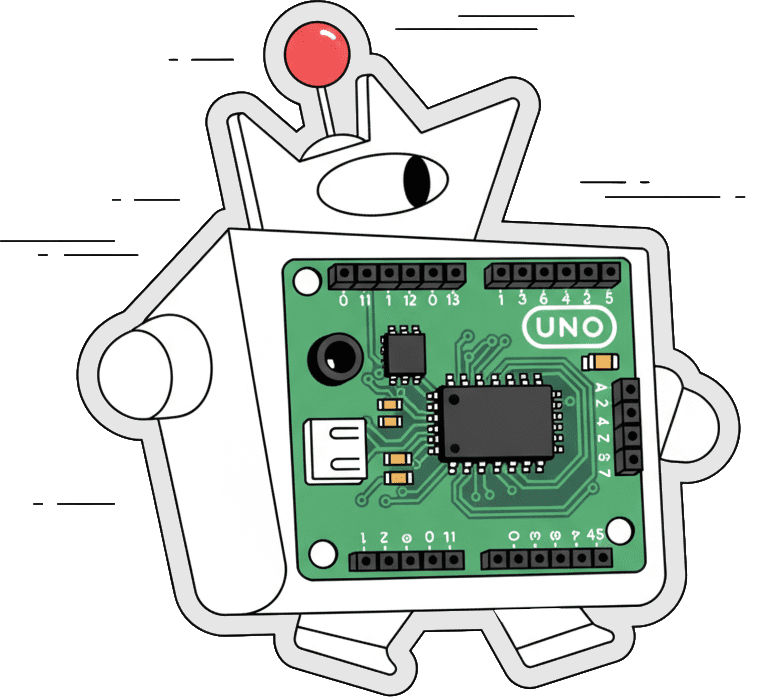
Platforms such as FoxBit take this idea further by offering an interactive, visual and gamified 3D environment, especially designed for middle and high school students. Thanks to the simulations, young people can learn Arduino:
It is a huge step towards a more accessible, modern and inclusive education.
More about FoxBit in our entry: What is FoxBit: Learning Arduino in a 3D environment.
Does it replace the actual hardware?
Virtual environments do not replace real hardware: they complement it.
Its objective is to open the door of technological learning to many more people.
Thanks to the electronics simulation without physical hardware, In this way, any student can practice in a safe, economical and flexible environment.
The combination between simulators and 3D platforms like FoxBit is democratizing technology education and allowing more and more young people to discover the world of Arduino without barriers.
One Comment